
Open-Air Paths That Welcome Everyone
Join us as we explore inclusive open-air routes and the craft of designing accessible community rambles, uniting universal design, neighbor wisdom, and small joyful details. From surface choices and gentle slopes to wayfinding, programming, and long-term care, this journey celebrates movement, connection, and dignity. Share your favorite barriers removed, tell us what still needs fixing, and subscribe to help shape future walks together.
Smoother Surfaces, Gentler Slopes
Choose compacted fines over loose gravel, asphalt with micro-texture, or boardwalks with gaps small enough for canes and wheels. Target a continuous grade near five percent or less, cross-slope around two percent, and landings on steeper ramps. Provide drainage that avoids puddles, mark transitions clearly, and schedule maintenance before bumps become barriers.
Space to Move and Turn
Allow clear width around fifty-nine inches or one and a half meters as a dependable minimum, with wider passing zones at regular intervals. Plan generous turning circles, align bollards to permit mobility devices, and keep vegetation trimmed. Group walks need shoulder space, stroller maneuvering room, and places to pause without blocking others.
Signals You Can Feel and Hear
Use tactile paving to warn of crossings, audible beacons where sightlines fail, and high-contrast signs with large type and plain language. Pair raised lettering and Braille with QR codes that trigger audio guides. Keep poles consistent, avoid visual noise, and ensure lighting minimizes glare and supports night navigation.
Paths That Welcome Everyone
Designing for all ages and abilities starts with empathy translated into geometry, materials, and maintenance. Think firm, slip-resistant surfaces, predictable edges, minimal cross-slope, and rest points where stories and breath can return. Include shade, water, and clear sightlines so anxiety softens. Add railings where needed, reduce clutter, and plan for seamless wayfinding. Invite neighbors to co-steward the details, because small fixes unlock outsized freedom.
Community Voices Shape the Route
Co-creation turns abstract guidelines into places neighbors truly claim. Recruit wheelchair users, cane users, parents with strollers, elders, teens, and neurodivergent walkers. Hold street-level workshops and gentle-paced explorations to surface lived realities. Capture photographs, quotes, and small wins, then honor them with visible fixes and shared authorship across signs, maps, and celebrations.
Prototype routes with cones, chalk, and temporary ramps, then invite paced trials using mobility devices and varied stride lengths. Time segments, note effort and comfort, and compare paths with and without obstacles. Document stories alongside numbers, because a relieved smile can reveal more than a spreadsheet.
Host conversations with interpretation, captioning, and sign language, compensate participation, and provide childcare and transportation vouchers. Choose accessible rooms with quiet corners, clear acoustics, and low-scent policies. Publish commitments, timelines, and constraints transparently, so expectations stay realistic and collaboration feels respectful, repeatable, and worth everyone’s precious time.
Translate notes into a visible backlog, prioritize quick wins like pruning hedges, painting edges, fixing lips at joints, or relocating a bench to views and shade. Share change logs, celebrate contributions by name, and schedule community workdays that teach care skills and build ongoing, joyful stewardship.


Maps You Can Read at a Glance
Orient large “You Are Here” diagrams to face the real world, simplify lines, and feature landmarks people actually notice, like murals, playgrounds, or the bakery that smells like cinnamon. Show travel times, shade, restrooms, and fountain icons. Keep legends short, fonts generous, and contrasts friendly to low-vision readers.
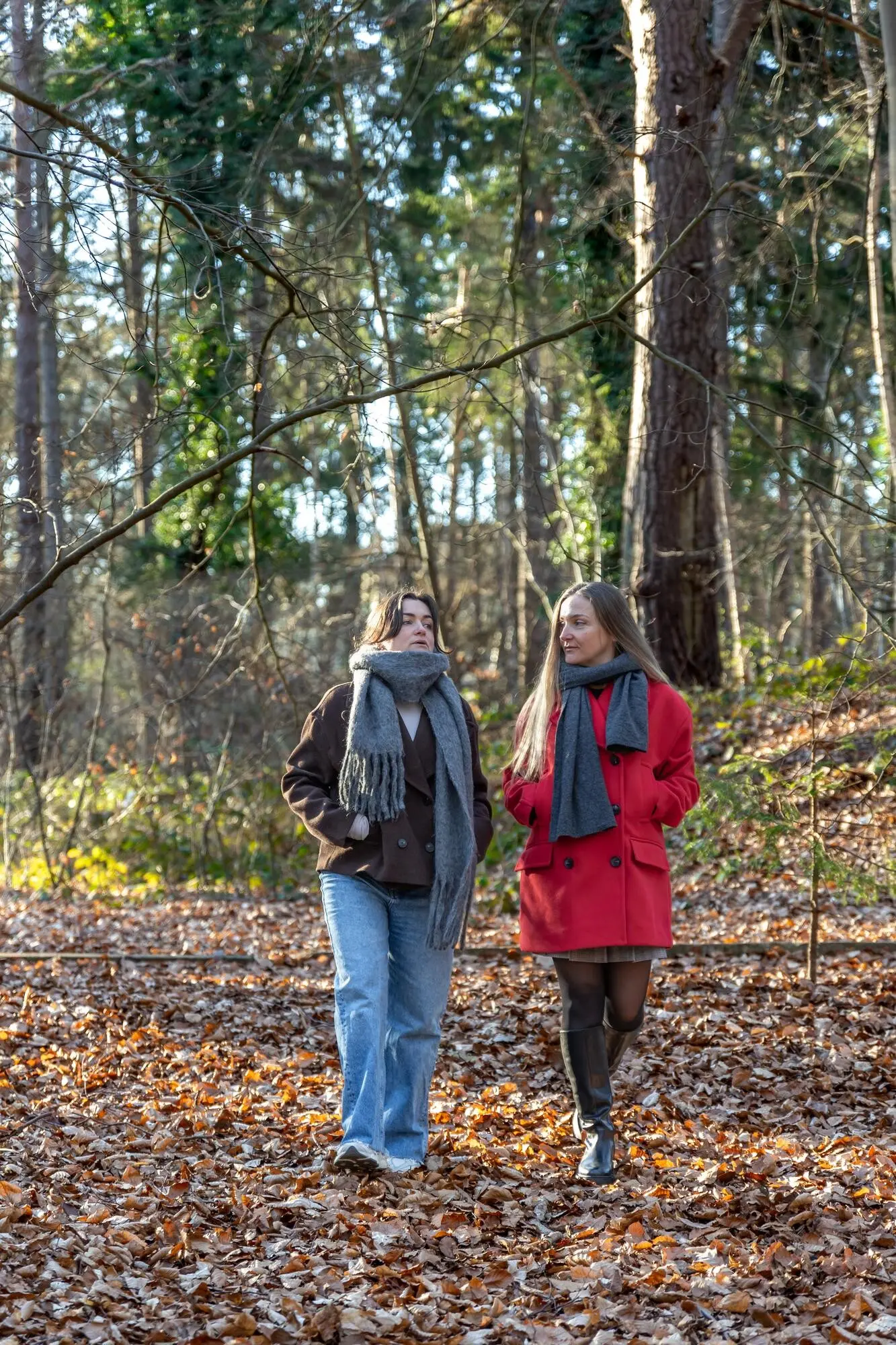
Multi-Sensory Guidance for All
Install tactile maps at trailheads, add beacons that broadcast turn cues, and provide audio routes downloadable for offline use. Pair color with shape so colorblind visitors succeed. Use consistent textures on railings and edges to signal transitions. Test instructions with newcomers and adjust until directions feel delightfully obvious.
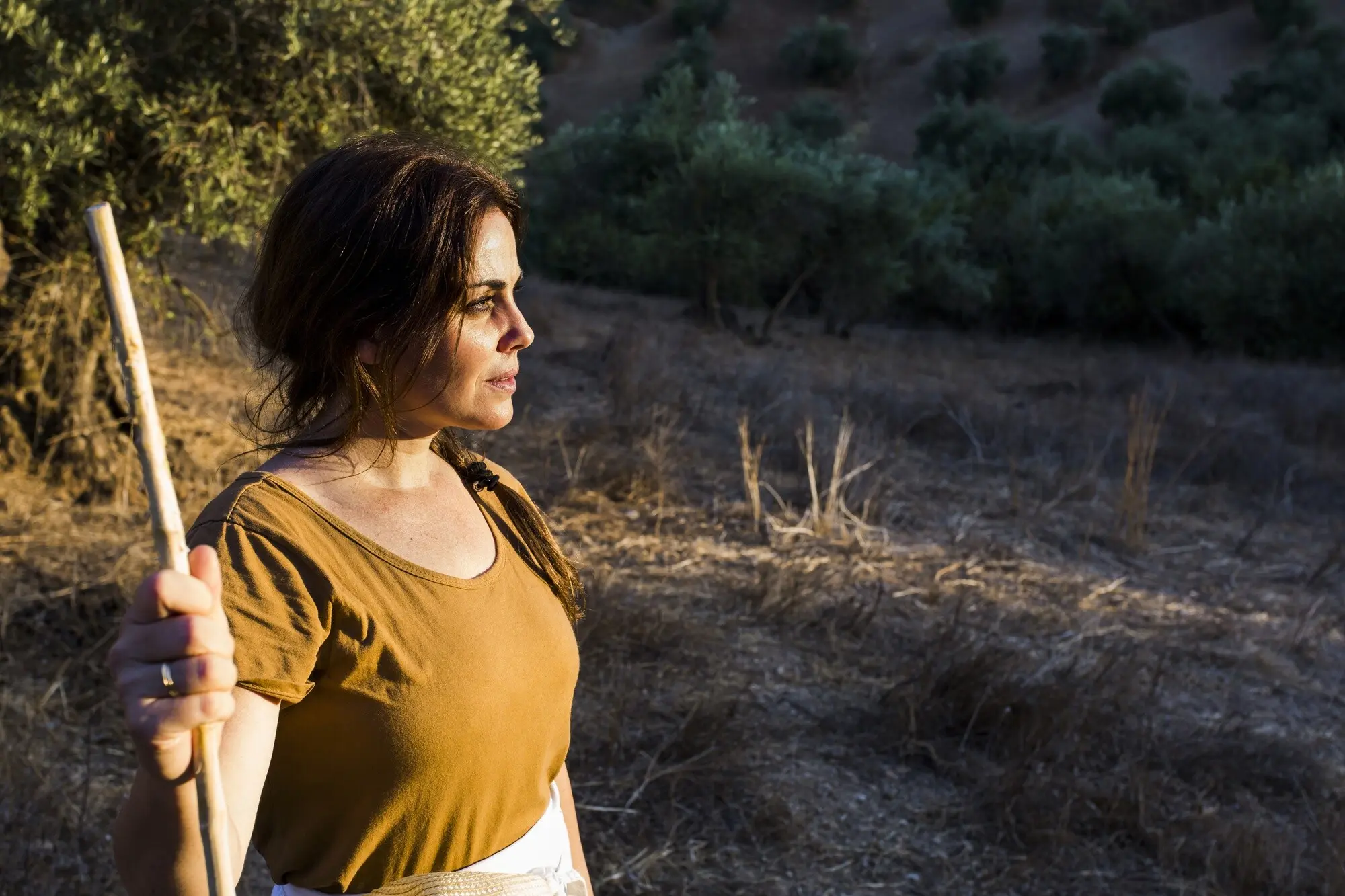
Digital Companions That Respect Privacy
Design mobile guides with screen-reader support, haptic prompts, and large tap targets, while collecting minimal data. Offer downloadable maps and open datasets so civic hackers and librarians can help. Avoid location tracking by default, publish audits, and clearly explain consent choices in language that anyone can comfortably understand.
Comfort, Safety, and Delight Outdoors
People return to places that feel easy, welcoming, and a little magical. Blend benches with backs and arms, shaded nooks, drinking water, and accessible restrooms with adult changing tables. Calmer traffic at crossings, soft lighting that avoids glare, and gentle sounds from birds or water can dissolve stress and invite longer, happier strolls.

Rest Areas That Truly Rest
Space seating every short distance, vary heights for comfort, and include adjacent wheelchair positions so companions sit together. Provide armrests to assist transfers, level pads free of heave, and views that uplift. Include quiet corners for sensory breaks, and clear signage so people know a restful spot is coming soon.
Climate-Smart Details
Map shade patterns across seasons, plant trees where heat hits hardest, add wind shelters, and design drainage that keeps feet dry. Choose de-icers that preserve traction and creek life. Offer misting on extreme days, emergency call points, and seasonal notices so expectations stay kind, informed, and safety-forward.
Safer Crossings Without Stress
Raise crosswalks to sidewalk level, tighten turning radii, and extend pedestrian signal time. Add audible push buttons, tactile cones, and refuge islands deep enough for mobility devices. Lessen sign clutter, curb aggressive driving through design, and keep markings fresh so every journey ends with calm shoulders and cheerful lungs.

Training Hosts for Inclusive Rambles
Coach leaders to set welcoming tone, vary pace, and check-in frequently. Teach route scouting, risk assessment, and backup plans for weather or closures. Provide basic first aid, de-escalation skills, and a buddy system. Encourage consent for photos, language access, and clear endings with invitations to future gatherings.
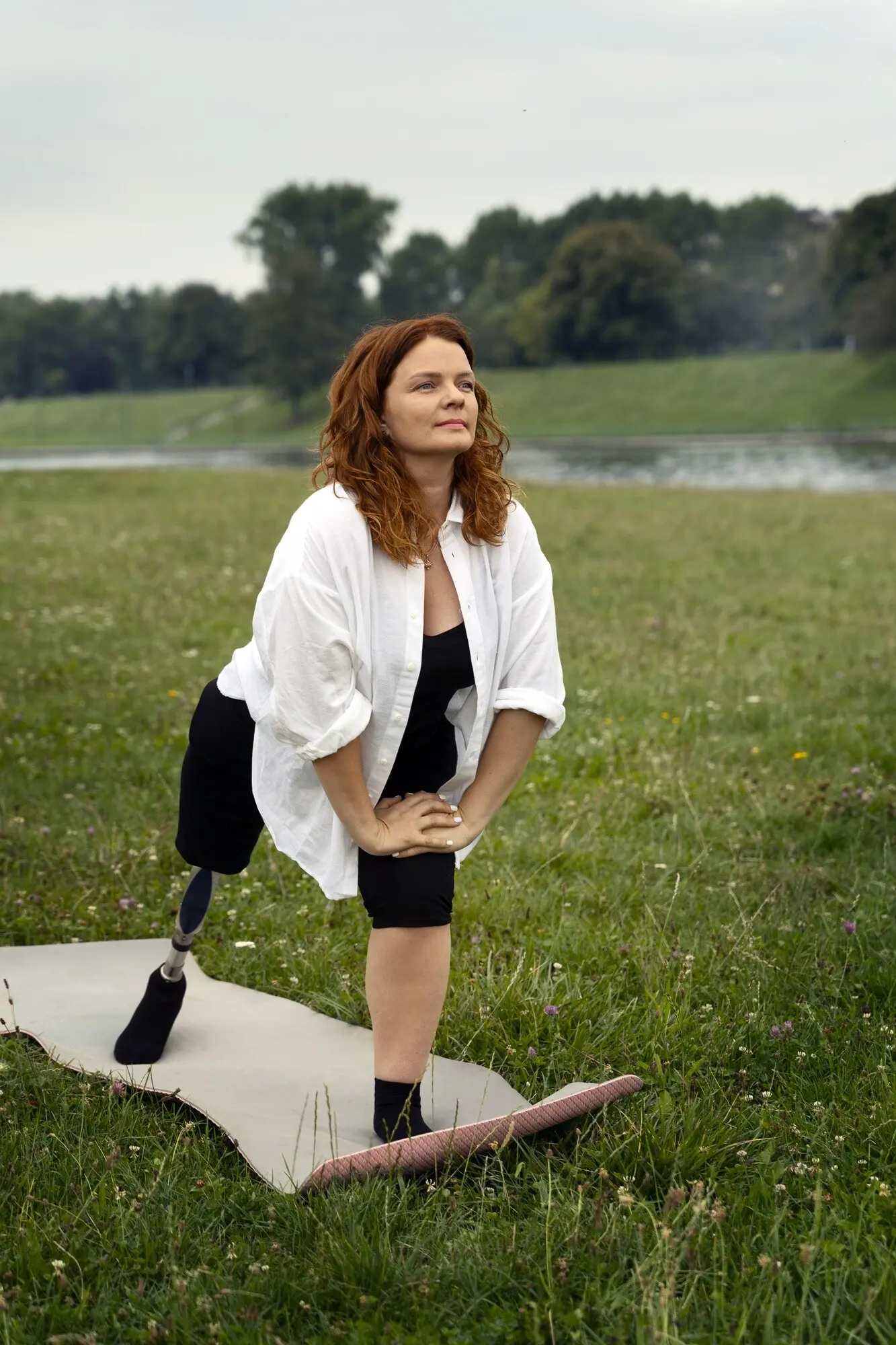
Activities That Spark Curiosity
Offer nature bingo with tactile cards, quiet listening to birdsong, plant sniff-and-guess moments, and sketch breaks. Invite historians and poets to share micro-stories. Ensure alternatives for those avoiding touch or noise. Celebrate discoveries online with alt text, and invite subscribers to propose the next joyful micro-adventure.
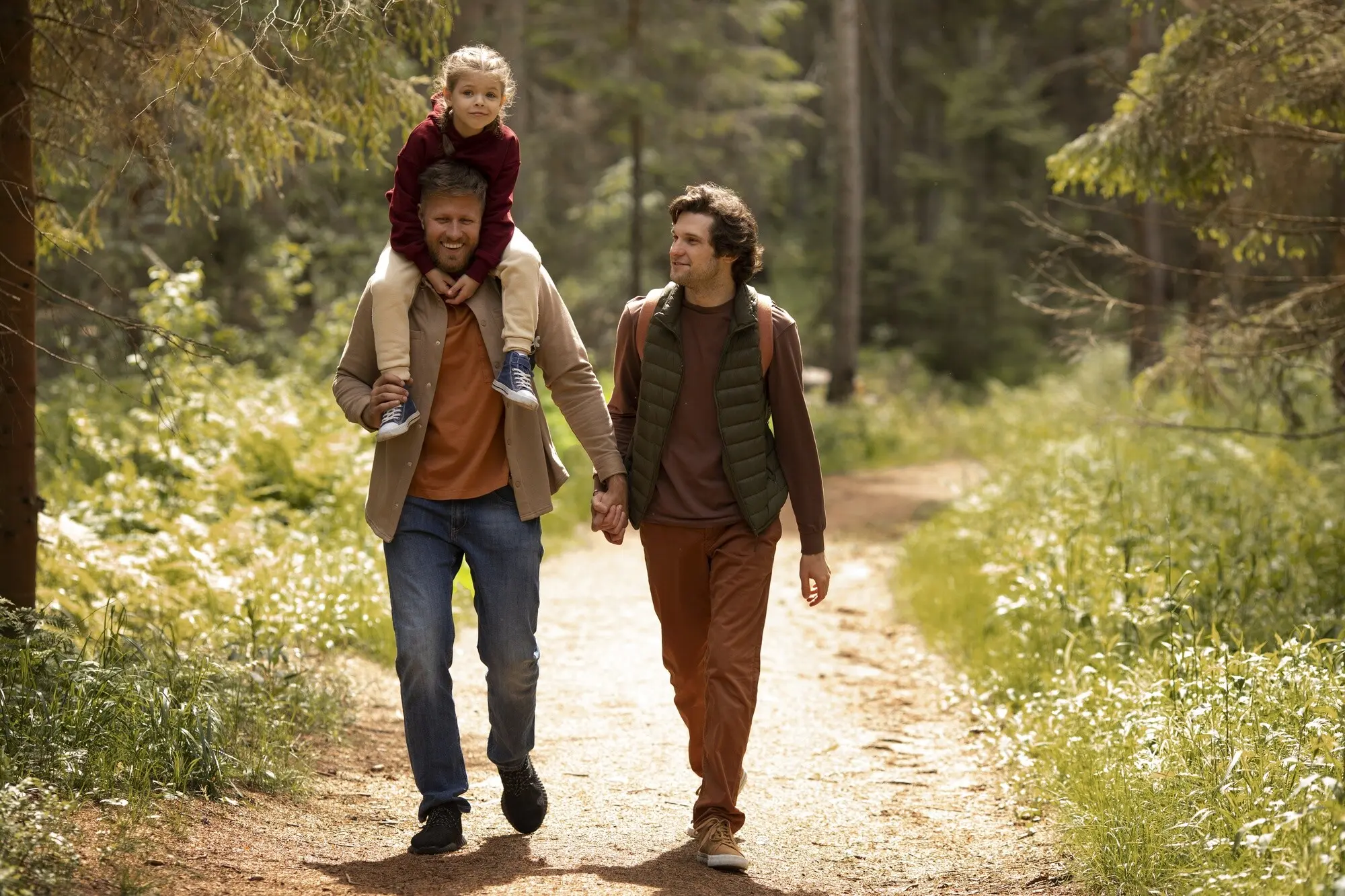
Measuring Belonging, Not Just Attendance
Track how at-ease participants feel, whether they made a new connection, and if they plan to return. Combine short surveys with story circles and accessible feedback forms. Publish summaries, highlight neighbor quotes, and adjust programming so belonging grows alongside counts, budgets, and partner enthusiasm.
Funding, Partnerships, and Stewardship
Start lean with pilots, then scale through coalitions of health agencies, disability advocates, libraries, schools, and park departments. Seek grants that reward prevention, mental health, and climate adaptation. Invite small businesses to sponsor benches or maps. Create open data, clear maintenance plans, and rituals that keep love and accountability alive.


All Rights Reserved.